


Warhammer 40,000: Dawn of War
- Release Date:2004
- Genres:RTS
- Developer:Relic Entertainment
- Publisher:THQ
- Platforms:PC
- Re-releases: Warhammer 40,000: Dawn of War - Definitive Edition (2025)
- Series:Warhammer 40,000


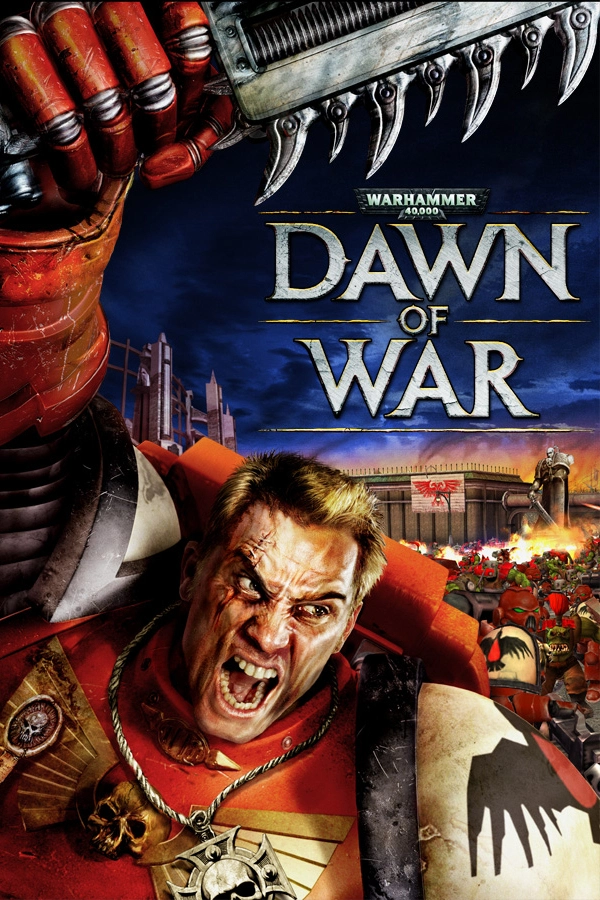
Warhammer 40,000: Dawn of War by Relic Entertainment, released in 2004, is one of the most important real-time strategy games of its era, a title that reshaped the genre and firmly wrote itself into the history of the games industry.
The game unfolds in the grim Warhammer 40,000 universe, where several factions fought for control of the planet Tartarus: the Space Marines of the Blood Ravens chapter, Orks, Eldar, and Chaos forces. Relic avoided blindly copying the genre’s clichés of the time and abandoned the classic RTS model of mass resource gathering and building huge armies. Instead, the gameplay centered on direct control of small but powerful squads, capturing strategic points and managing the front line — an approach that felt fresh and tactically rich.
Dawn of War’s combat system was built around suppression, morale, and close combat mechanics. Squads under heavy fire would lose morale and fall back, and the right mix of ranged and melee troops decided the outcome of engagements. Each faction played fundamentally differently: Orks relied on numbers, the Eldar emphasized speed and guile, and the Space Marines crushed opponents with the brute power of elite units.
The atmosphere deserved special attention. Relic poured genuine love for the source material into the game — detailed models, an oppressive orchestral soundtrack with choral and industrial motifs, bloody executions, and voice acting full of the universe’s trademark grandeur. Even today the opening cinematic of the Ork assault on the monastery looks impressive. The single-player campaign told a coherent story with charismatic characters — foremost the Blood Ravens’ Warrior of Blood, Gabriel Angelos, who stayed vivid in players’ memories for years.
Dawn of War became a landmark for a generation of strategy games and spawned several expansions and full sequels. It proved that deep tactical gameplay and a powerful licensed universe can reinforce each other rather than merely coexist. Twenty years on, the game still lives in the hearts of genre fans as an example of how to translate a tabletop universe to the monitor.
References
Recommended Files
The Crucible ModWarhammer 40,000: Dawn of War (2004)
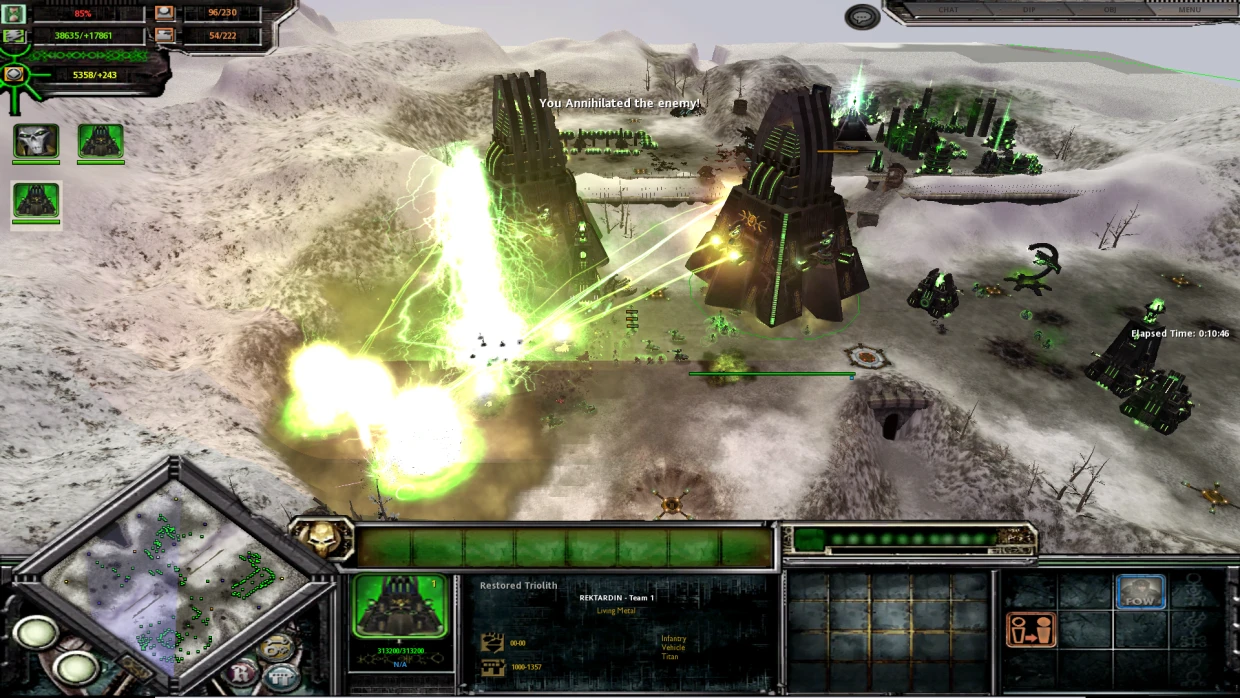
Crucible Mod is a major overhaul of Dawn of War: Soulstorm based on the Ultimate Apocalypse mod. The campaign was redesigned, subfactions were added for several races, and the mod’s AI and stability were improved.
UPatch HD - Unofficial PatchAge of Empires: The Rise of Rome (1998)
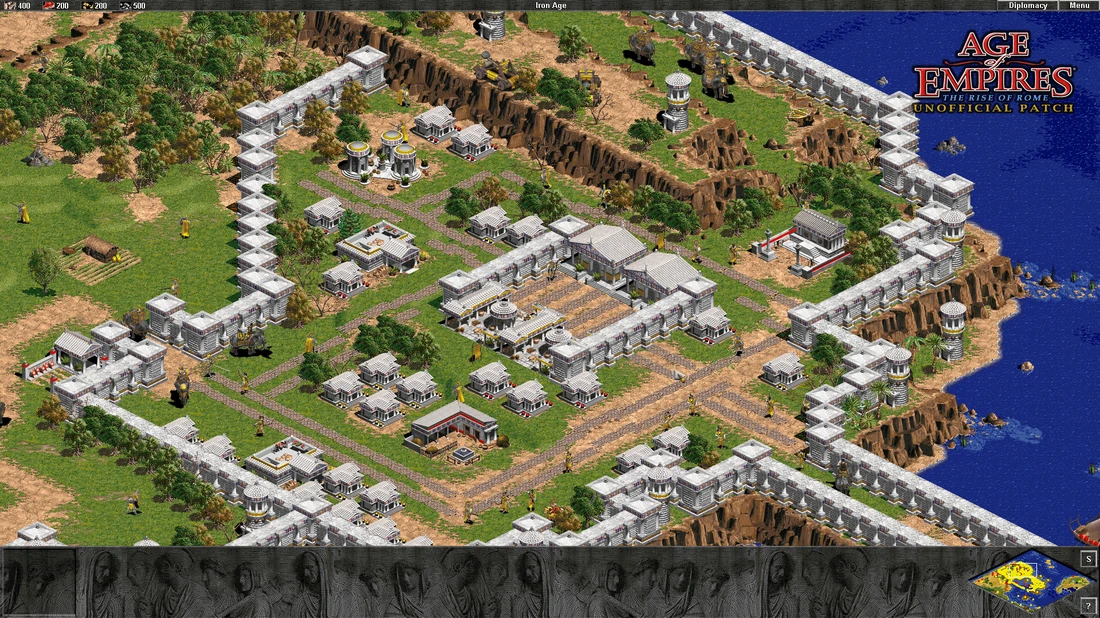
UPatch HD — a large-scale unofficial patch for Age of Empires: The Rise of Rome. Adds support for high resolutions up to 2560×1440, fixes hundreds of bugs, improves civilization balance, adds new map types, expands game settings, and much more.
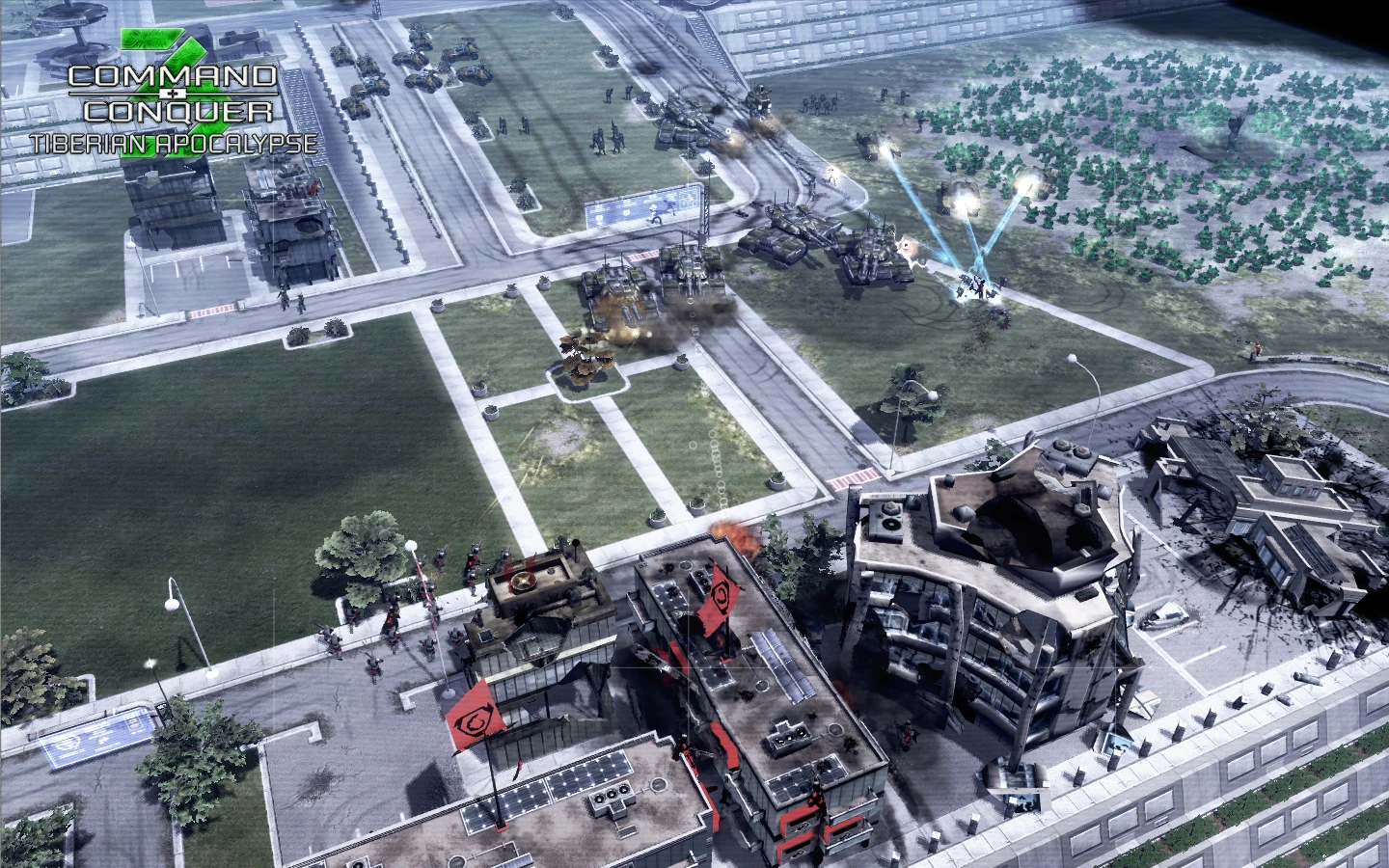
Tiberian ApocalypseC&C3: Tiberium Wars (2007)
Tiberian Apocalypse — a total conversion of Command & Conquer 3: Tiberium Wars that aims to become an authentic continuation of Tiberian Sun on a more modern engine.
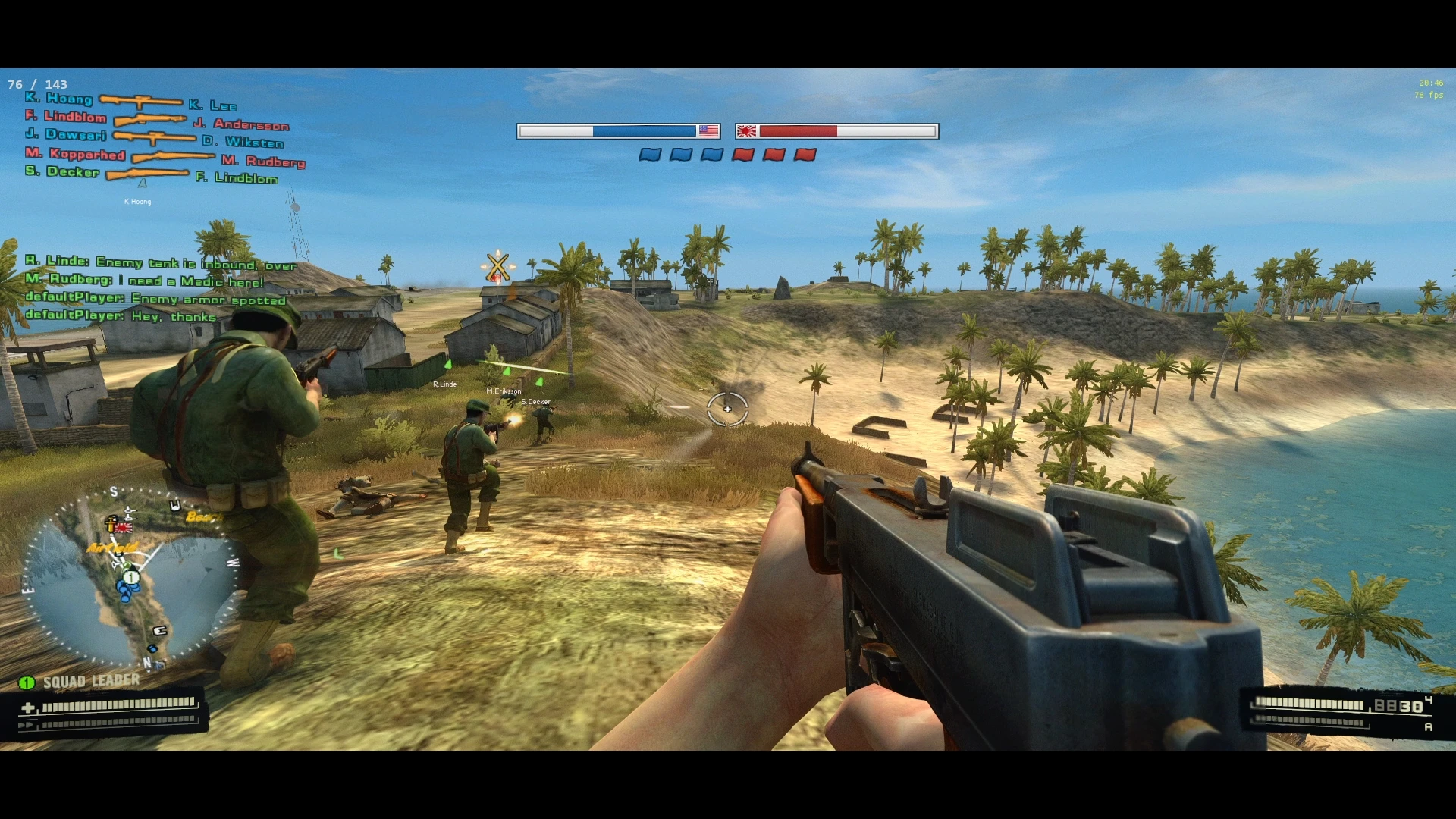
Battlefield 2: 1943Battlefield 2 (2005)
Battlefield 1943 is a mod for Battlefield 2 that fully recreates the game Battlefield 1943 on PC, originally released exclusively for PlayStation 3 and Xbox 360. It places you at the heart of the conflict between the US Marine Corps (USMC) and the Imperial Japanese Navy, with authentic World War II weapons and vehicles.
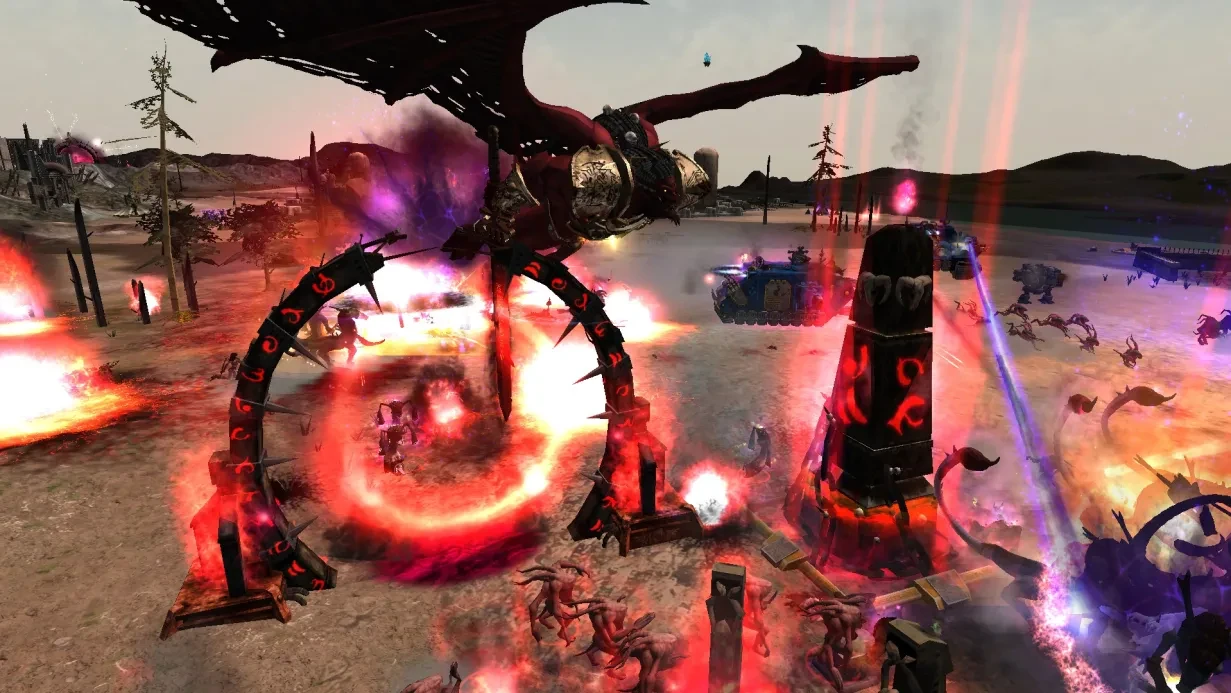
Unification Mod - Dawn of WarWarhammer 40,000: Dawn of War (2004)
Unification Mod is a massive mod for Warhammer 40,000: Dawn of War, bringing together dozens of fan projects into a single experience. It adds more than 20 new factions, reworks the original factions, adds several new modes, improves graphics and sound, and stands as a full embodiment of the Warhammer 40,000 universe in one mod.
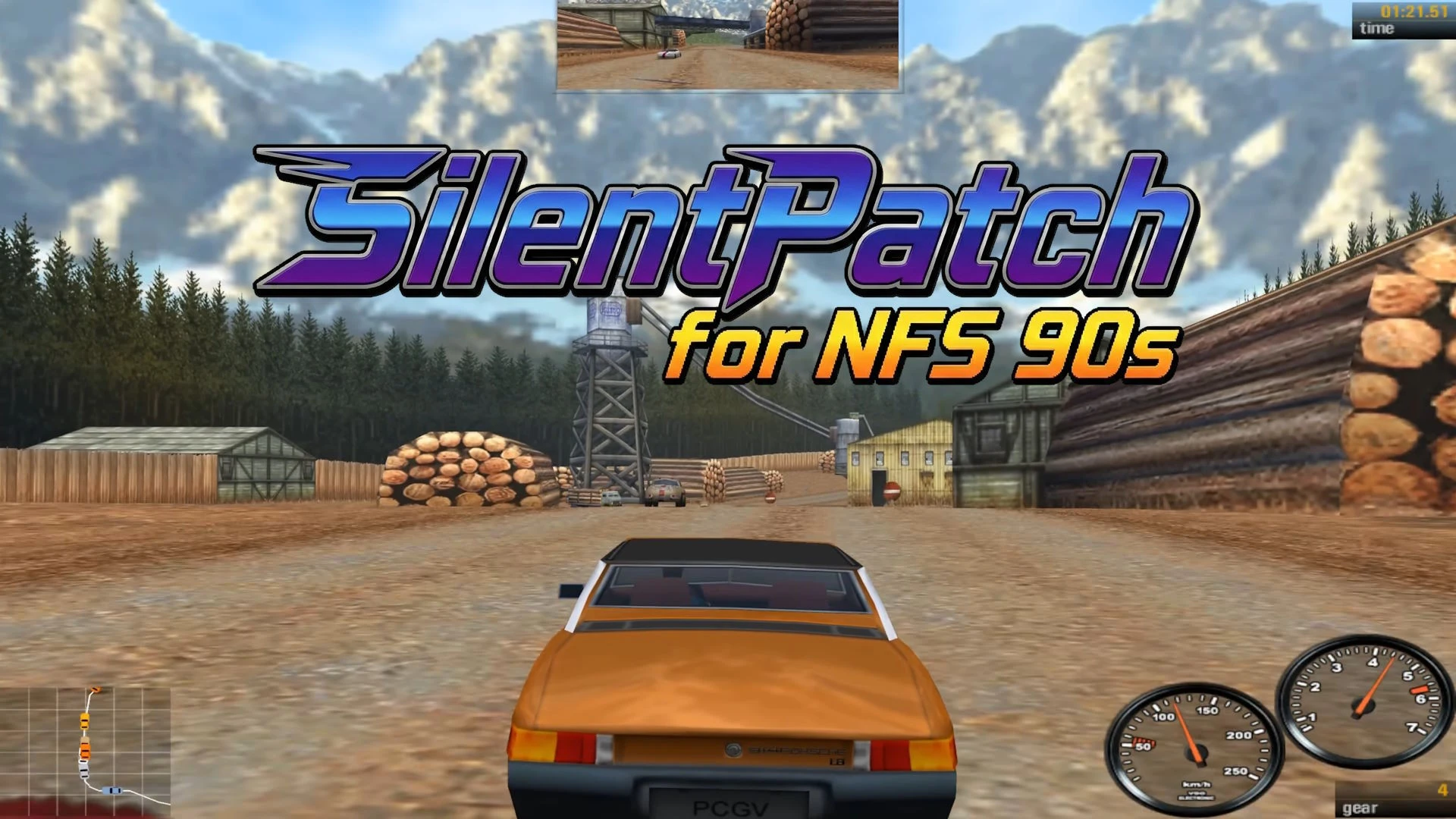
SilentPatch for NFS 90sNFS: Porsche Unleashed (2000)
SilentPatch for NFS 90s is a modification for the classic late-1990s Need for Speed games, from NFS2: Special Edition to NFS: Porsche Unleashed. Since unofficial patches already exist for these games, the author focused on problems that those patches either missed or introduced themselves.
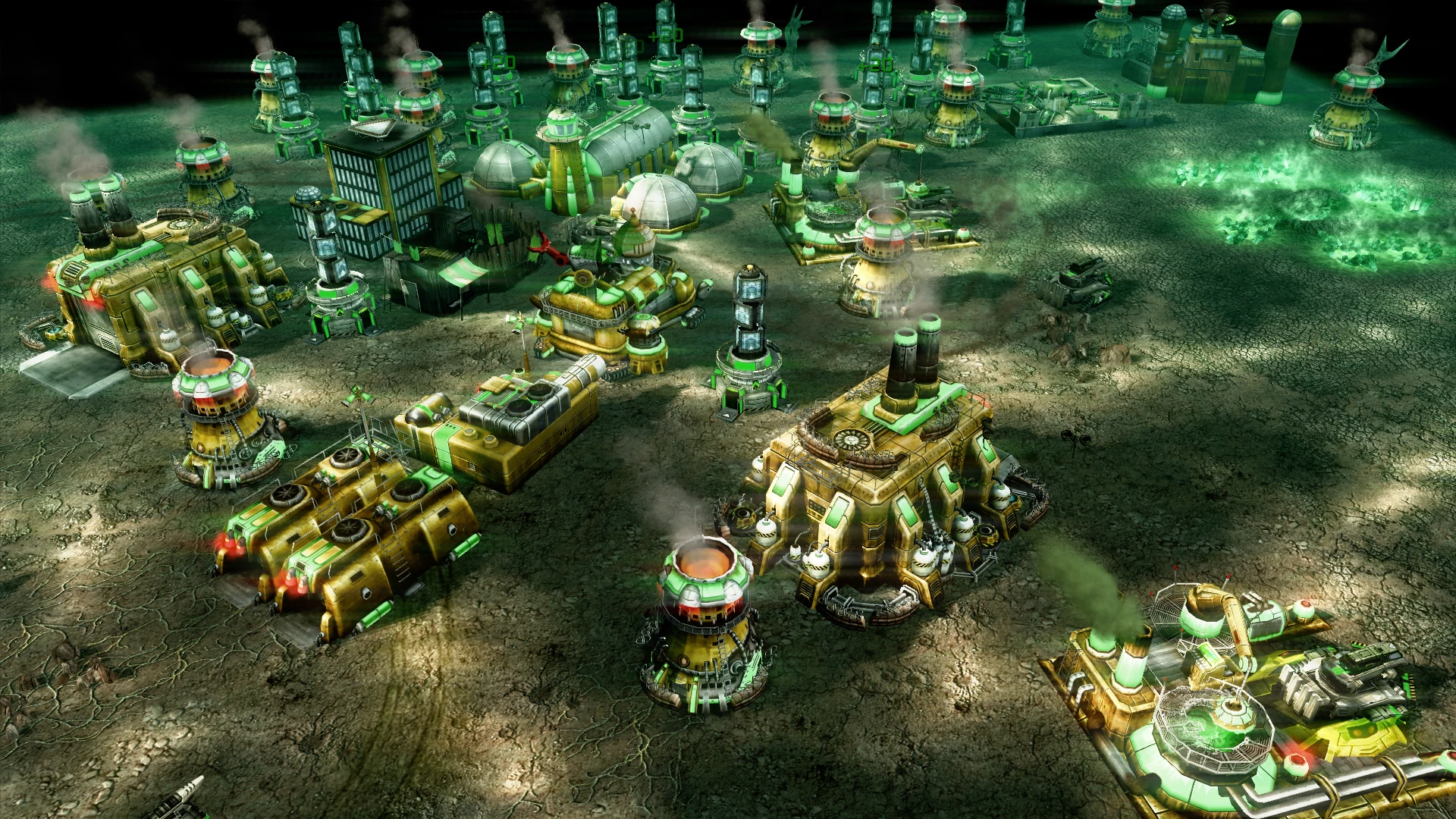
Tiberium Wars AdvancedC&C3: Tiberium Wars (2007)
Tiberium Wars Advanced is an attempt to bring Tiberium Wars closer to the games from Westwood Studios, without losing the unique atmosphere the third installment brought to the series. The mod adds new units, abilities, buildings, factions, and makes zerg rushing almost impossible.